timezones are technology people. hack
Implementing a daily updated solar noon matched timezone is still on my todo list. (Well it will probably be 365 separate timezones.)
I am the weirdest of timezone weirdos -- I live in a house with 2 timezones.
My longterm bet tho is hyperlocal timezones perfectly matched to solar noon with automatic conversion.
Re leap seconds being deferred now until there's a leap hour --
Imagining the future point where noon is say, 45 minutes before solar noon, and heading toward 60 minutes in a century or two, the obvious thing to do then would be to adjust the time zone back an hour. This would be done here and there a bit at a time, but it would eventually happen almost everywhere.
So there would be no point in ever updating #UTC.
It was a very overcast day on Raccoon Creek Saturday. The sky stayed so dark that crepuscular critters (like the beaver above) were out and busy quite late into the day.
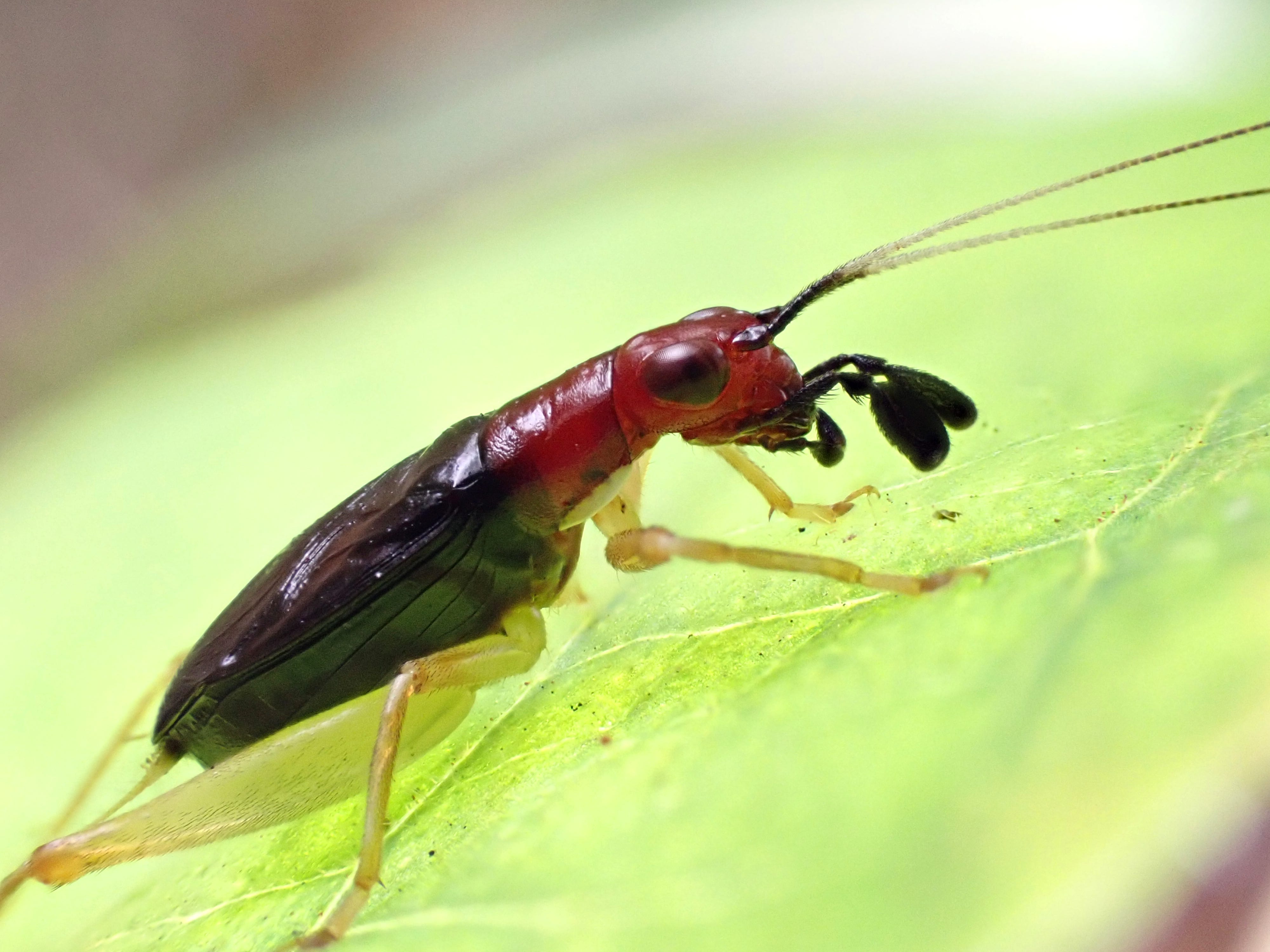
The crickets were also singing even at noon. And unbeknownst to me, I photographed one of them!
This Red-headed Bush Cricket looked so unlike what I thought a cricket would be that I was surprised to come home and discover it was a night singer. (In case you’re curious about those club-shaped things coming off its face — they’re sensing organs and have nothing to do with how it sings.)
Now for the real question: was it Red-headed Bush Crickets I accidentally caught on my ambient creek video? Here’s a video (not by me) of that species calling. What do you think? (And did you catch the pack of coyotes halfway through?)
I’d also love to know whether you find ambient nature videos like this fun to put on in the background while you’re puttering. They take a long time to upload on our rural internet, but I enjoy making them and they’re worth the effort if you like them too. Please let me know in the comments!
Last week, my mom brought me to one of my favorite childhood haunts — the Jett Gap Ford (36.673236130134796, -82.36705163921813) on the North Fork of the Holston River. In the 1980s and 90s, we used to play in this low-water spot where tractors and trucks still sometimes drive across the river. I was always intrigued by the critters in the water, especially the snails on rocks.
Imagine my surprise to return to the ford and realize one of those snails is quite special!
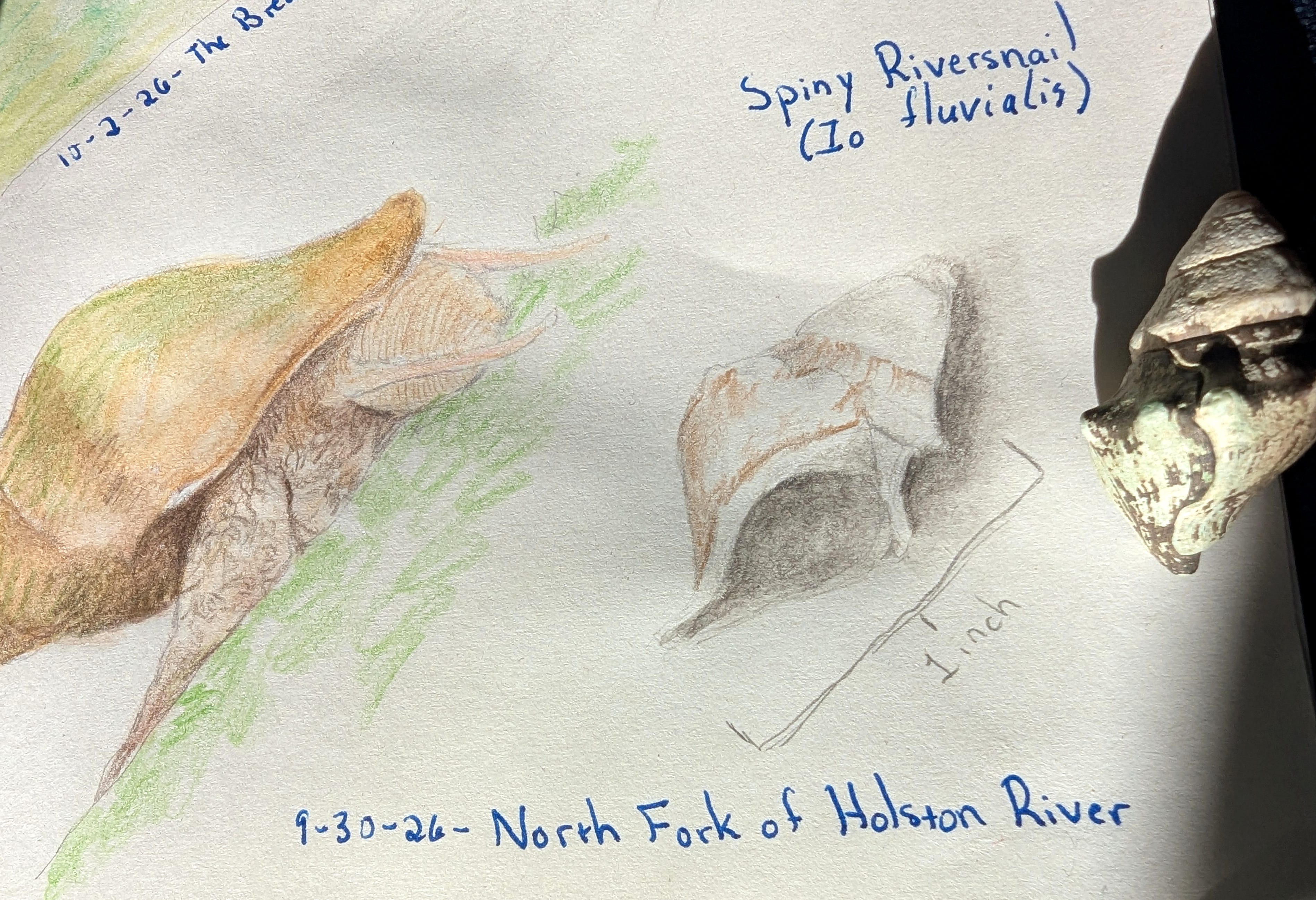
Enter the Spiny Riversnail (Io fluvialis), one of the largest freshwater snails in North America and one that almost became extinct due to the impoundment of rivers within its small range. In addition to the shell’s spines and size, the pointy bottom tip gives the species a very marine feel (at least for those like me who know nothing about snails).
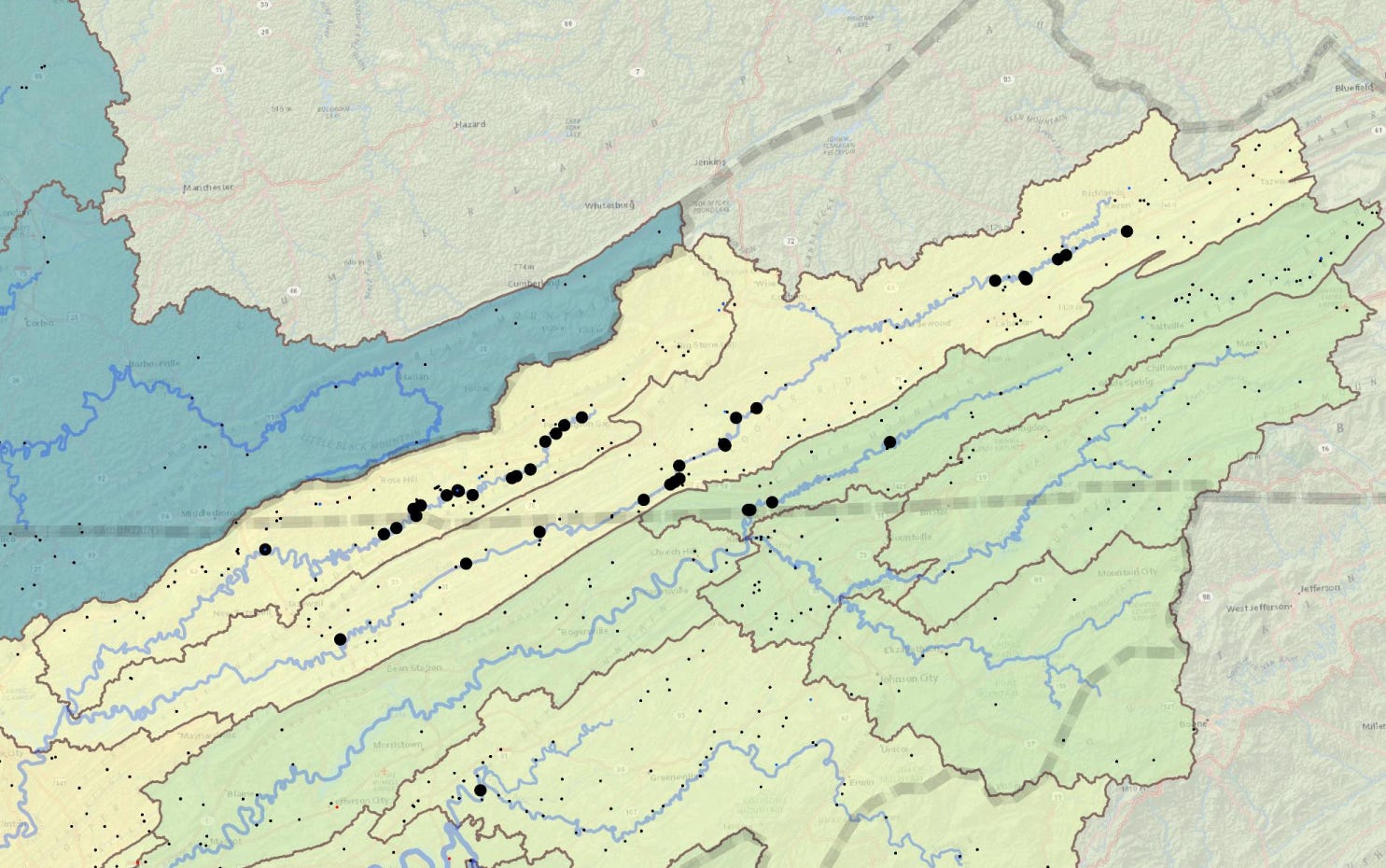
The Spiny Riversnail was reintroduced to the North Fork of the Holston River in the 1970s and 1980s and has apparently gained enough of a foothold since that I found copious shells washed ashore just upstream from the ford. Snorkeling, I’m pretty sure at least one of the living snails I found grazing in the riffles was a Spiny Riversnail.
What are the other species? I have no clue! Maybe next visit I’ll dig a little deeper and find out…
(But save this for a rainy day — the weather right now is too beautiful to waste in front of a screen!)
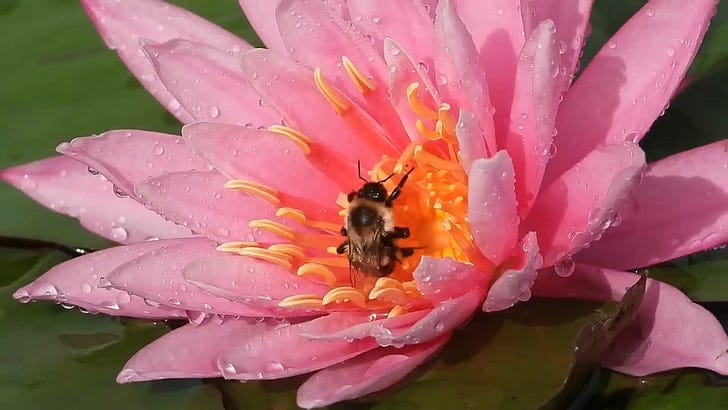
I stopped for an overnight at the Breaks Interstate Park while traveling along the Virginia-Kentucky border last Thursday. Arriving tired then having to get back on the road relatively early meant my explorations were few. Still, the views were worth it all by themselves!
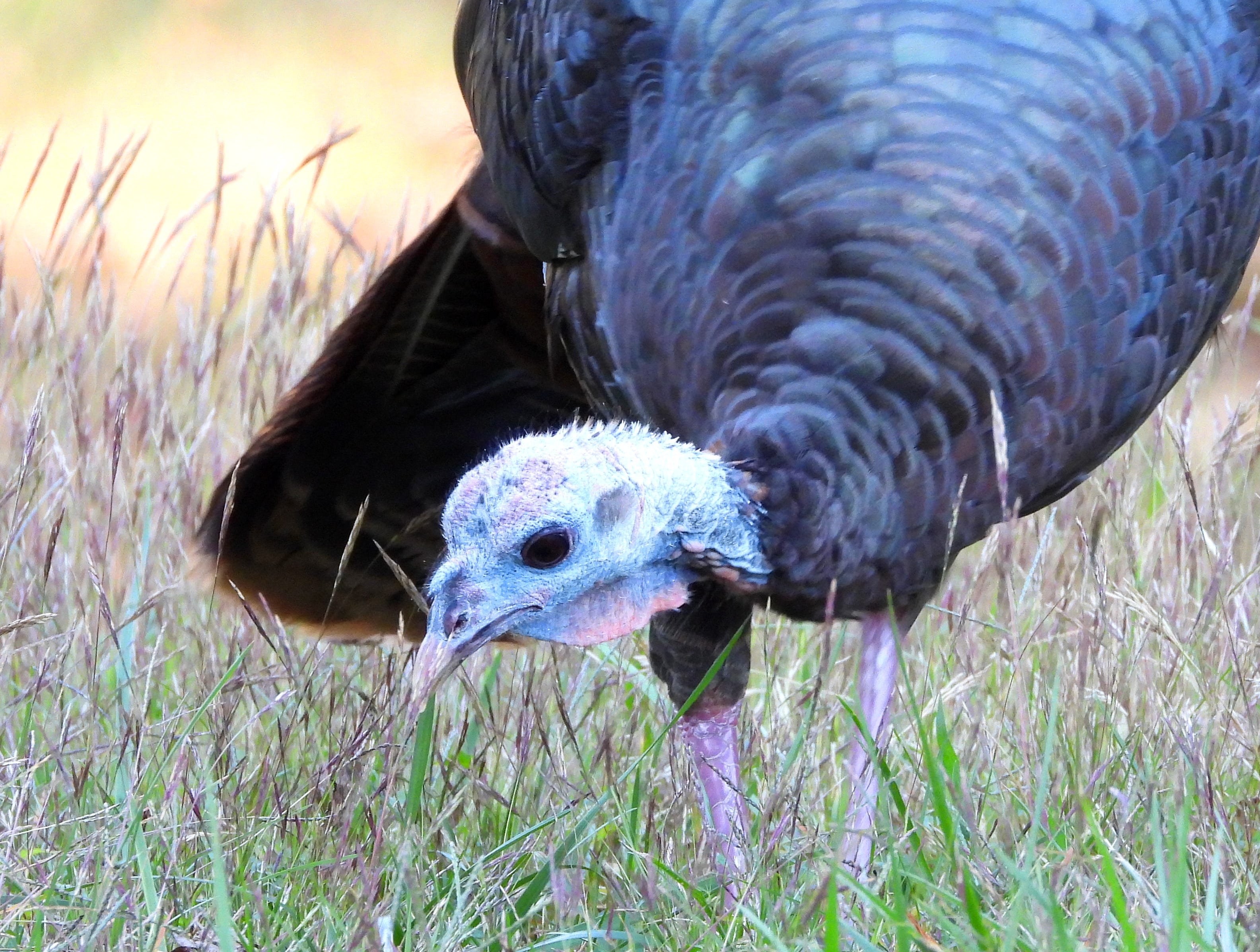
Birds were also copious. Wild Turkeys were busy eating grass seeds by the side of the road all afternoon, and the Overlook Trail (as promised on the brochure) was quite birdy. In addition to the Blue-headed Vireo pictured above, dawn treated me to a pair of Peregrine Falcons calling and swooping overhead.
Several trails were closed for a prescribed burn, so I took the only remaining route to the valley bottom. Camp Branch Trail is a mile round trip…easy as long as you don’t mind the steep climb on the way back. This area would be perfect for packing a lunch and spending all afternoon, especially since you have to drive a few miles from the main heart of the park to get to it (likely meaning fewer visitors than at the busy vistas).
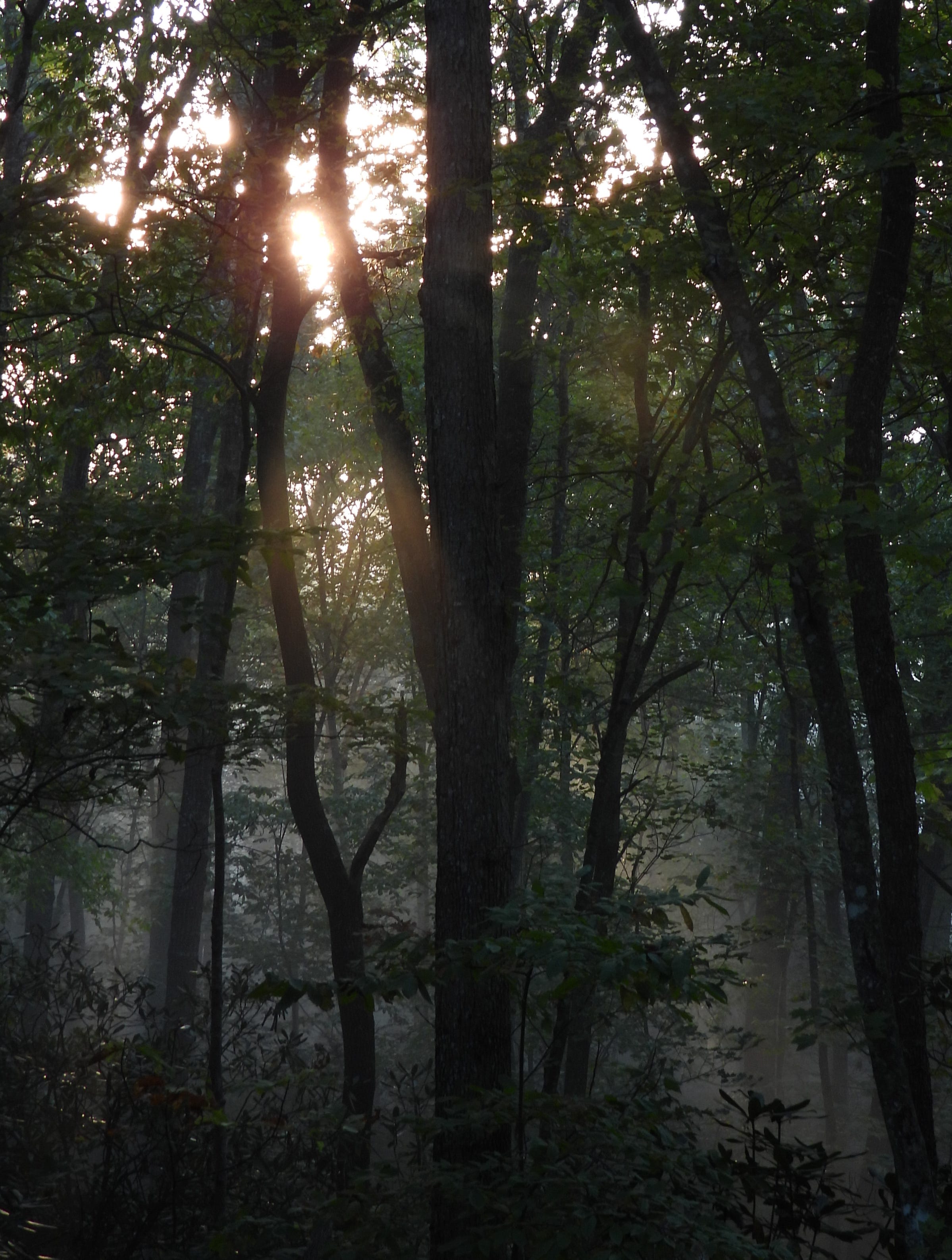
I camped at site B-32, which was delightfully secluded (at least during the shoulder season when no one had booked the neighboring sites). All night, the breeze flowed in one side of my tent and out the other as the thousand-foot difference between ravine bottom and ridge top tempted air to move. In the end, I think it was this constantly flowing air that I’ll remember most.
As a bonus, here’s a video of my other camping morning of the trip: Yatesville Lake. I updated my previous post with some bonus photos at the end in case you want more pictures from my lovely vacation week!
I’ve read that this has been the second wettest September in the last century in southeast Ohio. The flooded, washed-out, or tree-covered roads definitely reflect that, as do the swollen, muddy rivers.
(Yes, I did take the bike out just to explore the high river. Now that I live on top of a hill, I find floods thrilling…)
After being blocked by the tree across the road in the first video, I had to turn around and visit a different part of Forked Run than I’d planned. But I eventually reached the lovely mini-waterfalls, many of which I could paddle right up to at current lake levels. I love the way the rock shelters magnify the sounds of falling water plus adding a light show all their own.
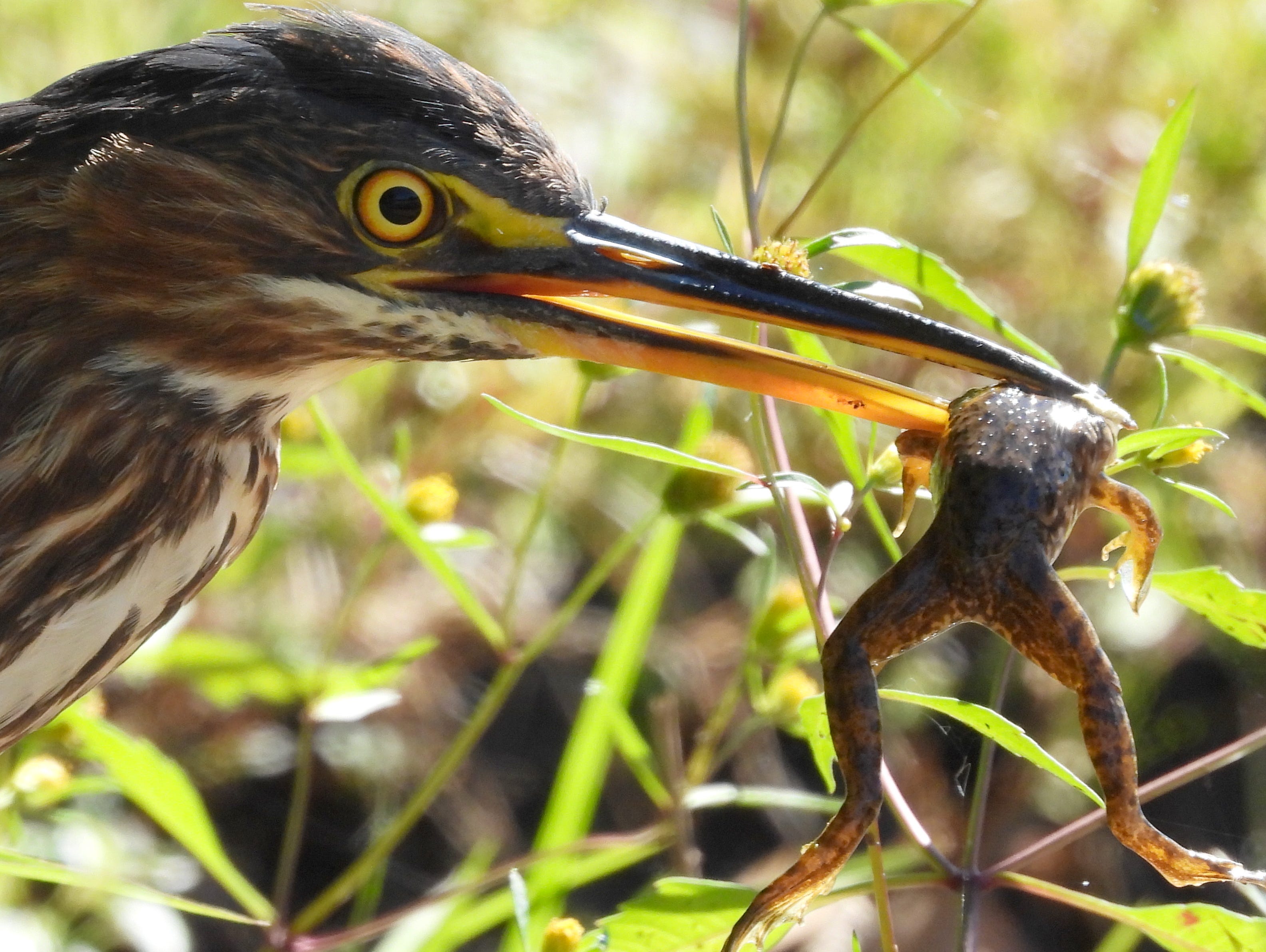
I’m not sure if it was the aftermath of flood or the fact that the nights have started dropping into the forties, but Forked Run felt rather quiet in the wildlife department. Until, that is, I spotted a Green Heron hunting in the flood debris.
“What can you possibly find there?” I thought…just as it nabbed a frog and swallowed it in one gulp!

" * This source file is licensed under the Apache License 2.0 *and* the MIT
* License. Please agree to *both* of the licensing terms!"
Whaaat?
filed an issue on a library, they implemented it using an LLM so now I won't be depending on any new versions of that library
kind of makes you wonder what is the point of particpating
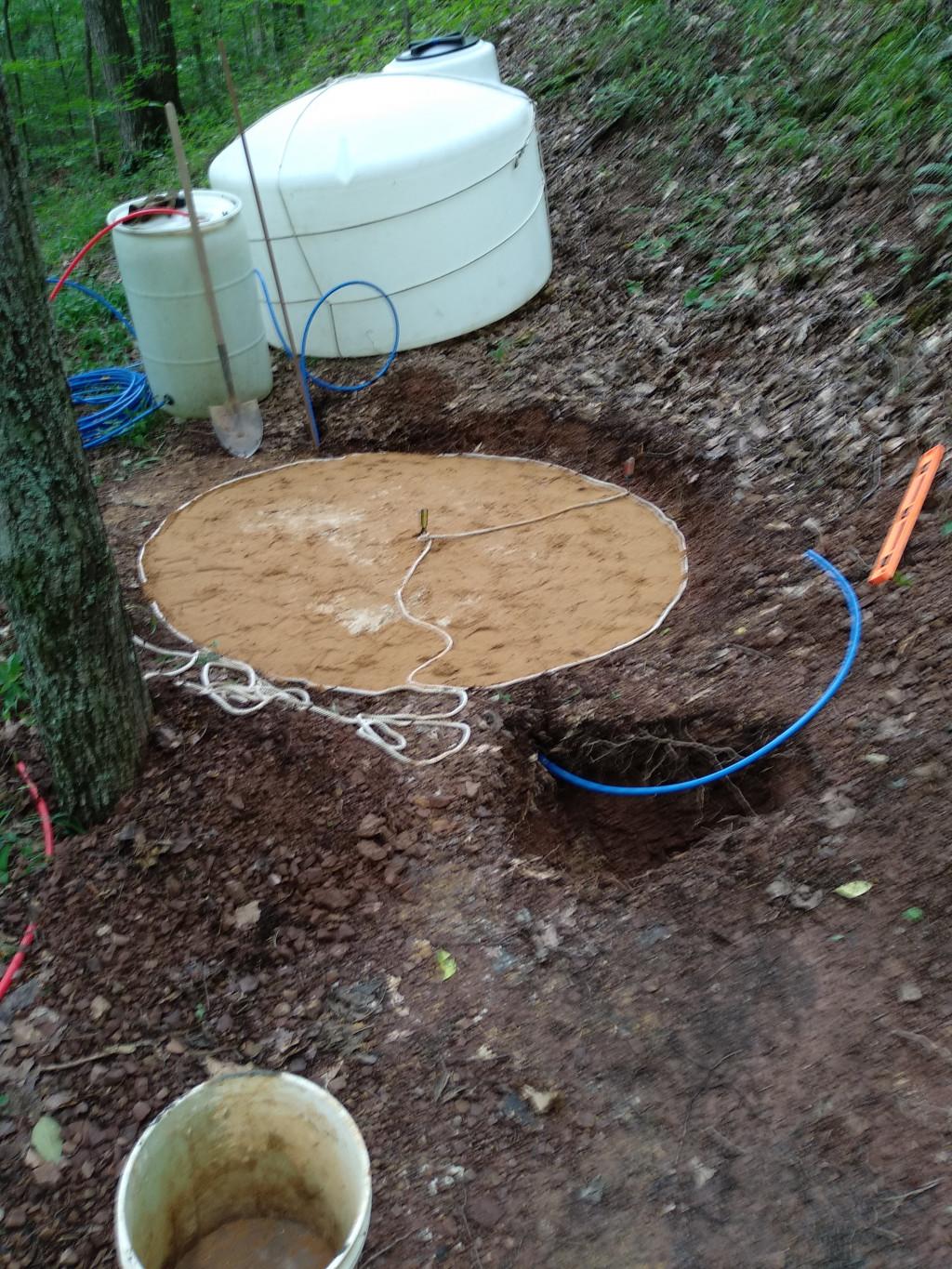
I think this qualifies as a hole in 1
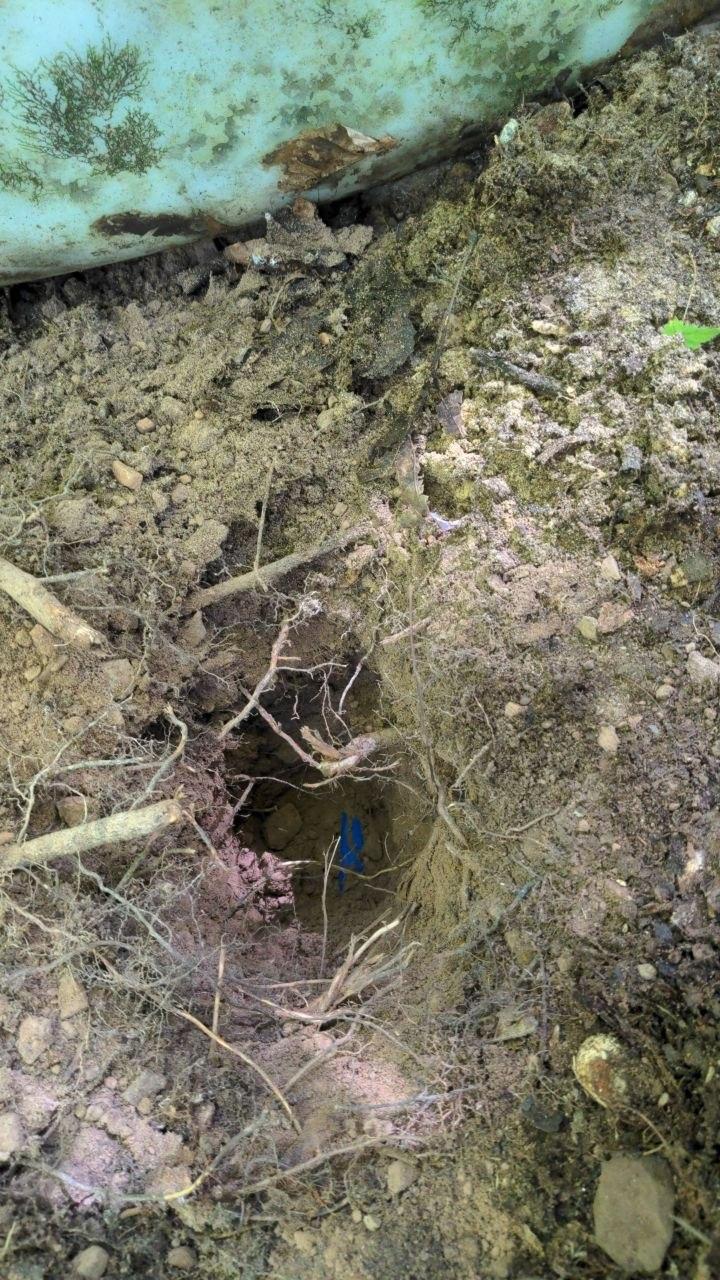
third bisection of the buried water line confirms that the leak is where it passes under the water tank
In retrospect, putting it under the water tank was a bad idea. The changing weight on the ground as it fills and empties probably means extra movement of anything around the water line.
Oh well, it will be annoying to need to trench halfway around the tank in tight quarters, but it's only 10 feet to repair this. A big win over needing to redo the whole 250 foot water line!
second bisection of my buried water line completed and I have the leak pinpointed to within 50 feet now
There continues to be a good chance it's leaking under the water tank. Which would explain my confusion earlier chasing this leak, the area around the water tank was always wet.. but the tank turned out not to be leaking.
Tomorrow is the equinox, and the fall into autumn does seem to be accelerating fast.
Migrants are everywhere…although I took the page “Confusing Fall Warblers” in Peterson’s field guide too literally as a young person and thus still can’t latch onto many IDs. The two pictured above, though, I usually get right. Common Yellowthroats (left) are just a little cuter than average due to being in a different genus from many warblers. And Tennessee Warblers (right) are the warbler version of a Blackgum, with few identifying features.
(Follow me for more terrible birding ID tips!)
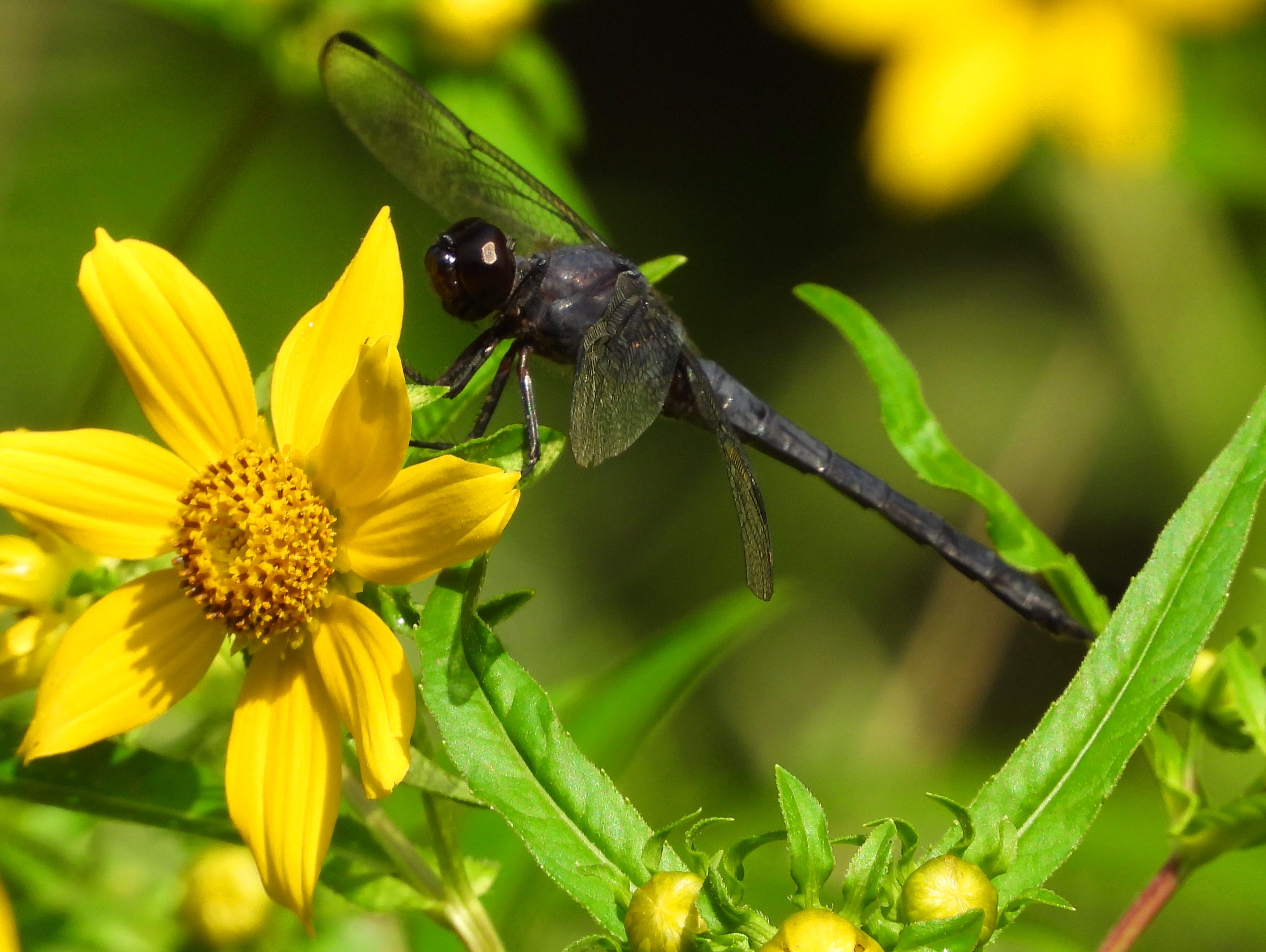
Dragonflies and damselflies mostly look themselves at this time of year, but wings are growing tattered. Within a month, most adults will have died, leaving only their watery nymph stage behind.
(Be sure to click on the photo on the left to see the Lilypad Forktail in its full glory!)
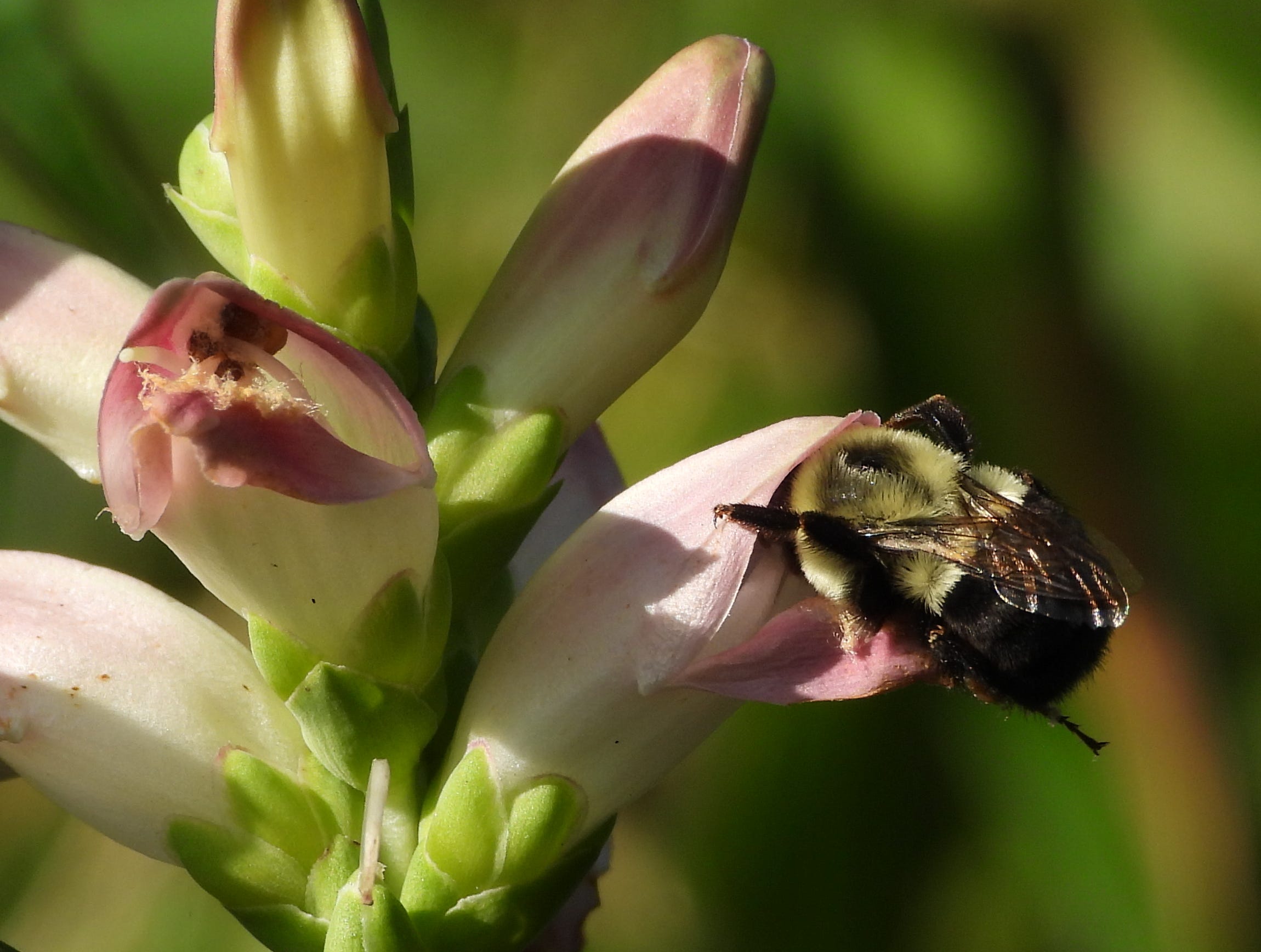
If I think too much about the lack of diversity settling in soon, fall can be bittersweet. But, in the moment, the cooler temperatures and exciting visitors make this one of the most fun times to be outside!
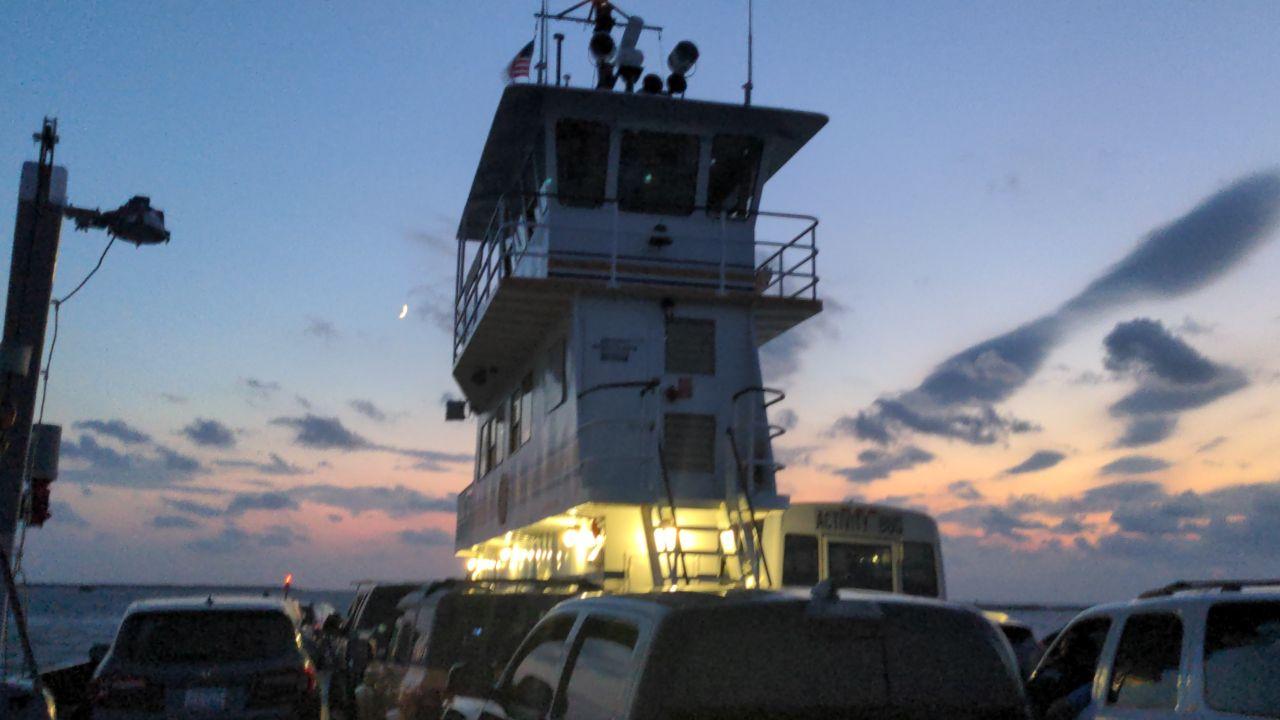
On the ferry after a week camping on the island. Car says it will arrive at the charger at 8% .. phone is 30%, power bank at 5%, laptop at 10%. ... I'm at 100%

1. Put it on your schedule
This is probably the hardest one for a lot of people, especially those of you who have young humans depending on you. I’m not going to give you much specific advice because my life is likely very different from yours. What I do: I set aside all day Saturday plus Sunday mornings to be outside.
2. Get ready the night before
It’s astonishing how long it can take to get moving if I have to pack my lunch and gear, put my kayak on the car, and queue up directions and podcasts. Alternatively, if I know where I’m going the night before and have everything prepped, I’m likely to reach my destination at least an hour sooner. That early morning hour is often the very best one.
3. Make sure you’re comfortable
I used to go home once I ran out of food or water or got cold or wet. So now I pack more than I think I’ll need, including a meal and snacks, water, a poncho, a sun hat, plus lots of layers in cold weather. Also, plan bathroom breaks in whatever way makes sense to you.
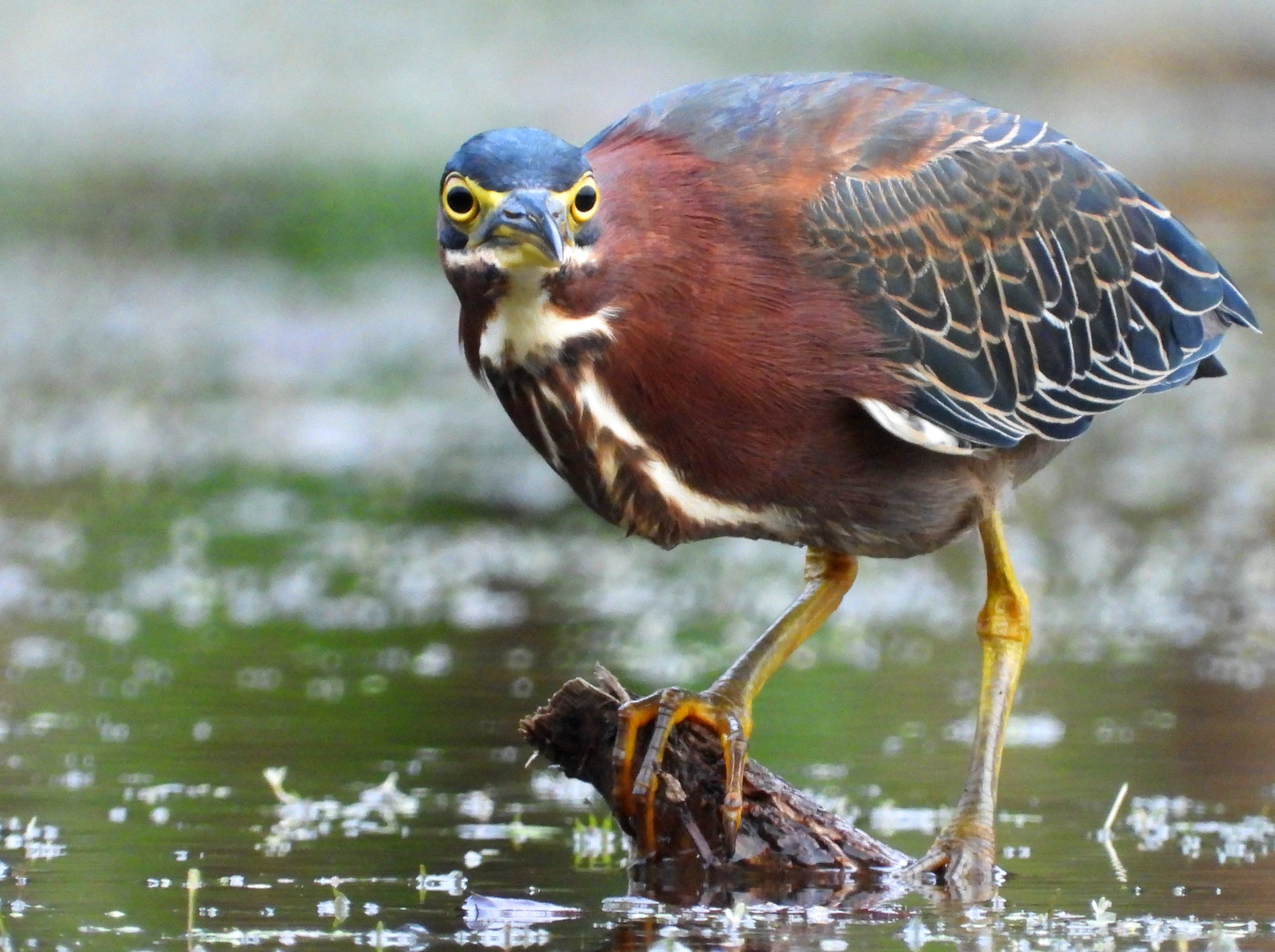
4. Avoid annoyances
For some of you, mosquitoes or mud are real deal breakers. For me, the biggest thing that pulls me out of the moment is people nearby…tricky since weekends are when many people go to parks. So I get up early and often drive 45 minutes to a lake where very few other people go. That’s my way of avoiding annoyances — what’s yours?
5. Trick your brain into flow
Even if you’re entirely prepared, you still may end up going home early if your brain gets stuck in a rut. My hacks to keep myself on track include:
Mindfulness practice ten minutes a day during my move-quickly-outside time Mondays through Fridays. I pay attention whenever my brain wanders from the present, and that makes it easier to really be where I am when I have more time to spend outside. (I’m in the baby-steps stage of this, but it still helps.)
Quick tricks in the field include reading a chapter on my Kindle or doing a lesson on Duolingo. Both can often knock a thought-train off its rails and remind me of the wonder of where I’m at.
Turning the day into a mini treasure hunt works when I’m really having trouble focusing. The simplest treasure hunt is “take at least a hundred photos.” This year, I’ve instead often demanded that I find at least ten Odonata species.
6. Slow down and look closer
If you’re outside and you don’t immediately see something awesome, it’s easy to say, “this isn’t a good spot; this isn’t a good day,” and just go home. But if you slow down and look closer, you’ll almost always see something great. Don’t see something great? Slow down more and look closer yet. For example, the watersnake above turned out to have a mosquito on its chin (click the image to see!), and the pattern of its scales against beetle-gnawed wood fascinated me.
7. Expand your interests
If all you’re intrigued by is colorful birds and you don’t see any colorful birds in the first hour, you’re likely to go home. However, if you also love jumping spiders and weird plants and water droplets on feathers and the sound wind makes when it moves through trees, then you’re bound to be inspired fast and frequently. The more often your brain feeds you happy chemicals, the longer you’ll stay out.
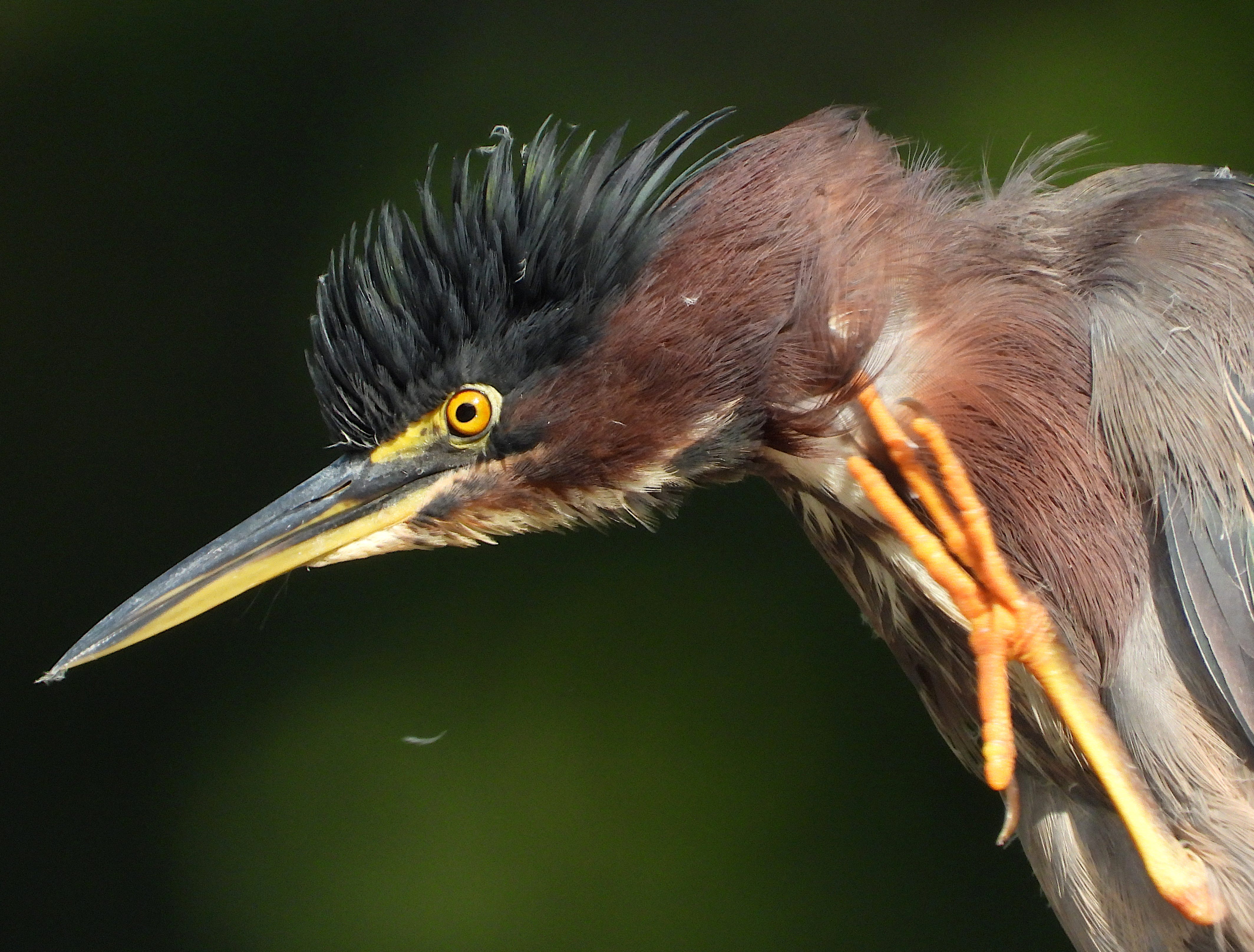
8. Lower your standards
If your goal for each outing is a new life bird or a Niagara Falls-level landscape, you’re not going to be happy most of the time. On the other hand, if noticing down feathers drifting away from a preening Green Heron makes your day, every moment will be full of wonder.
9. Let yourself immerse
This one probably goes without saying, but turn off phone notifications, put your device in airplane mode, or go somewhere with no reception. The modern world loves to pull you out of the moment.
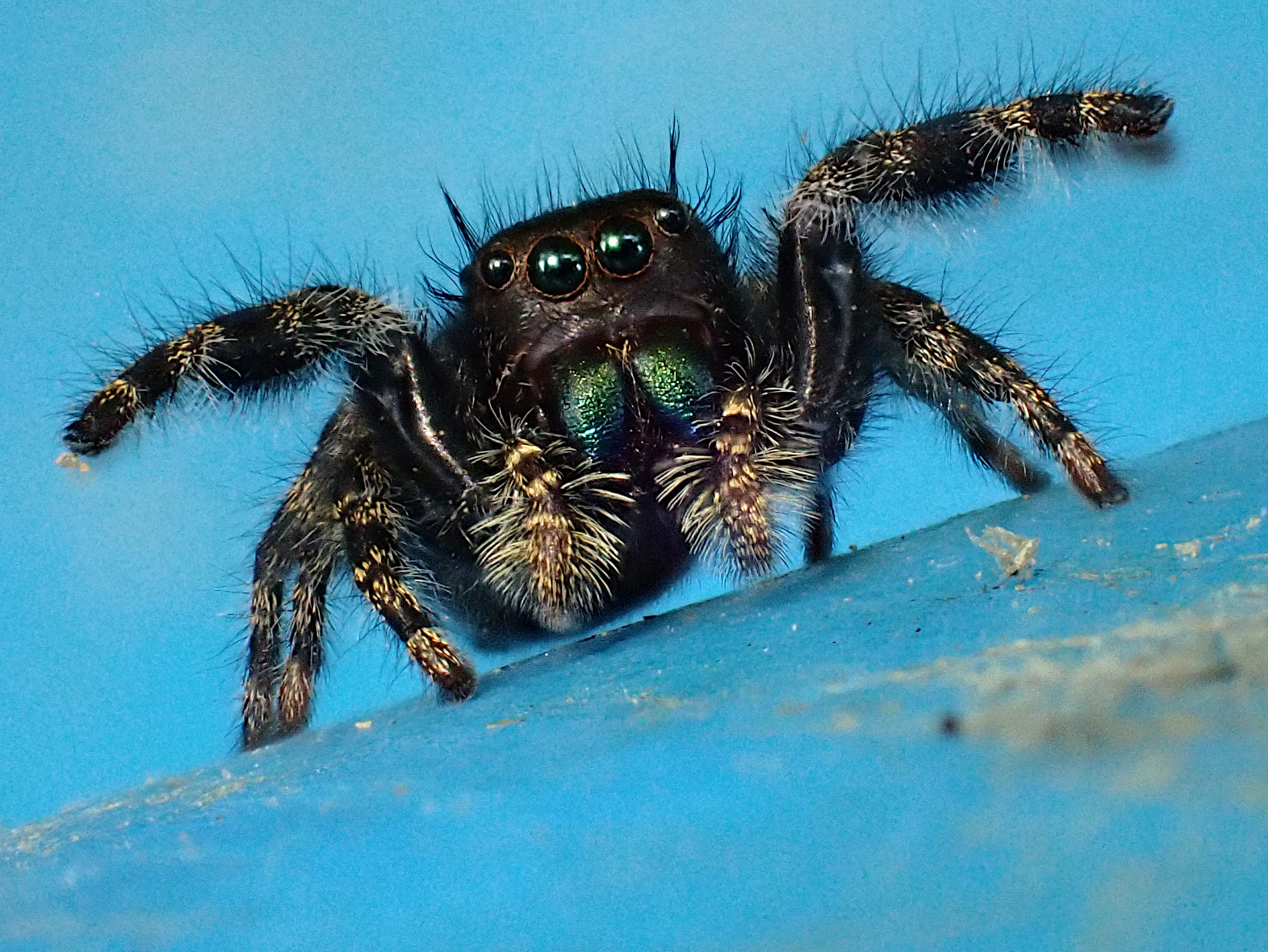
10. Bask in the beauty
Those of us who love facts can get stuck in the ID rut. “Oh, that’s a Bold Jumping Spider. Moving on.” But if you stop and watch a species you’ve seen several times before, you might notice how the beastie waves its little legs at you and how brilliantly its mouthparts sparkle in the sun. Soon, you’ve spent several minutes with one little creature and have really gotten into the flow.
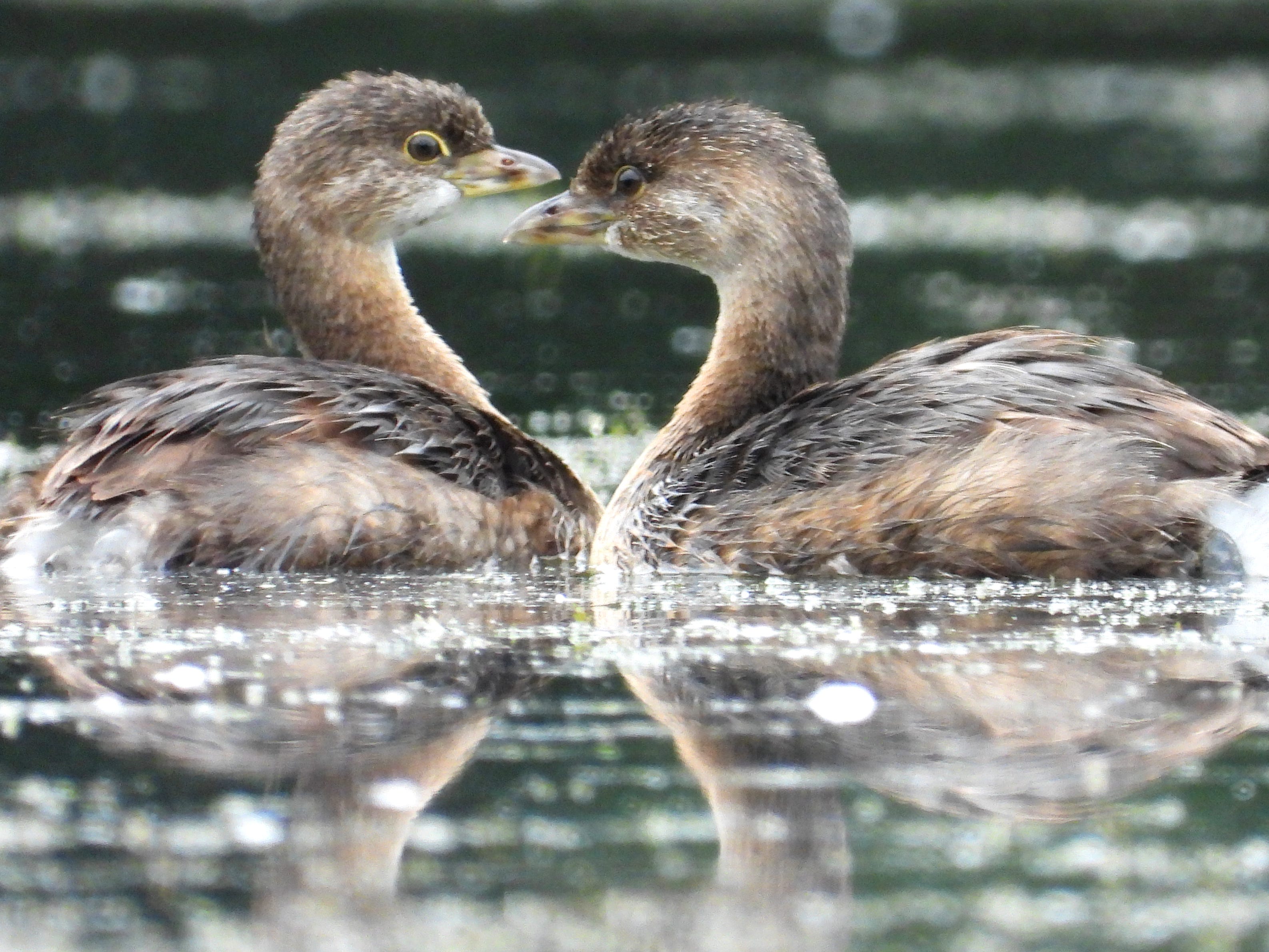
How about you? I bet you have your own hacks to make sure you spend plenty of time in the field. Go ahead and throw your advice in the comments and I’ll use them on days when I need that extra push to get out the door (then to ignore the pull of couch and home).
Enjoy your time outdoors!
Island hopping
Sturgeon's law, of all things to add nines too?
Minutes waiting on charging: 20
Minutes waiting on ferry: 90
It was such a startling experience to find this Carolina Mantis stranded on a branch sticking out of the water twenty feet from shore. She swayed side to side in that typical mantis way, trying to get a better depth perception on objects around her. I started taking her picture with my closeup camera, but the LED light must have attracted her (or maybe she was sick of her branch). Either way, she’d soon jumped aboard!
I put down the mantis-claimed camera, picked up another…and the mantis made her way from the front of the boat to my paddle then walked directly up that until she was staring straight at me. If she were a cat, that would have been a Subtle HintTM that she wanted to go ashore. So I poled those twenty feet as best I could, keeping her part of the paddle dry.
As soon as land appeared, she jumped into a tree and was gone.
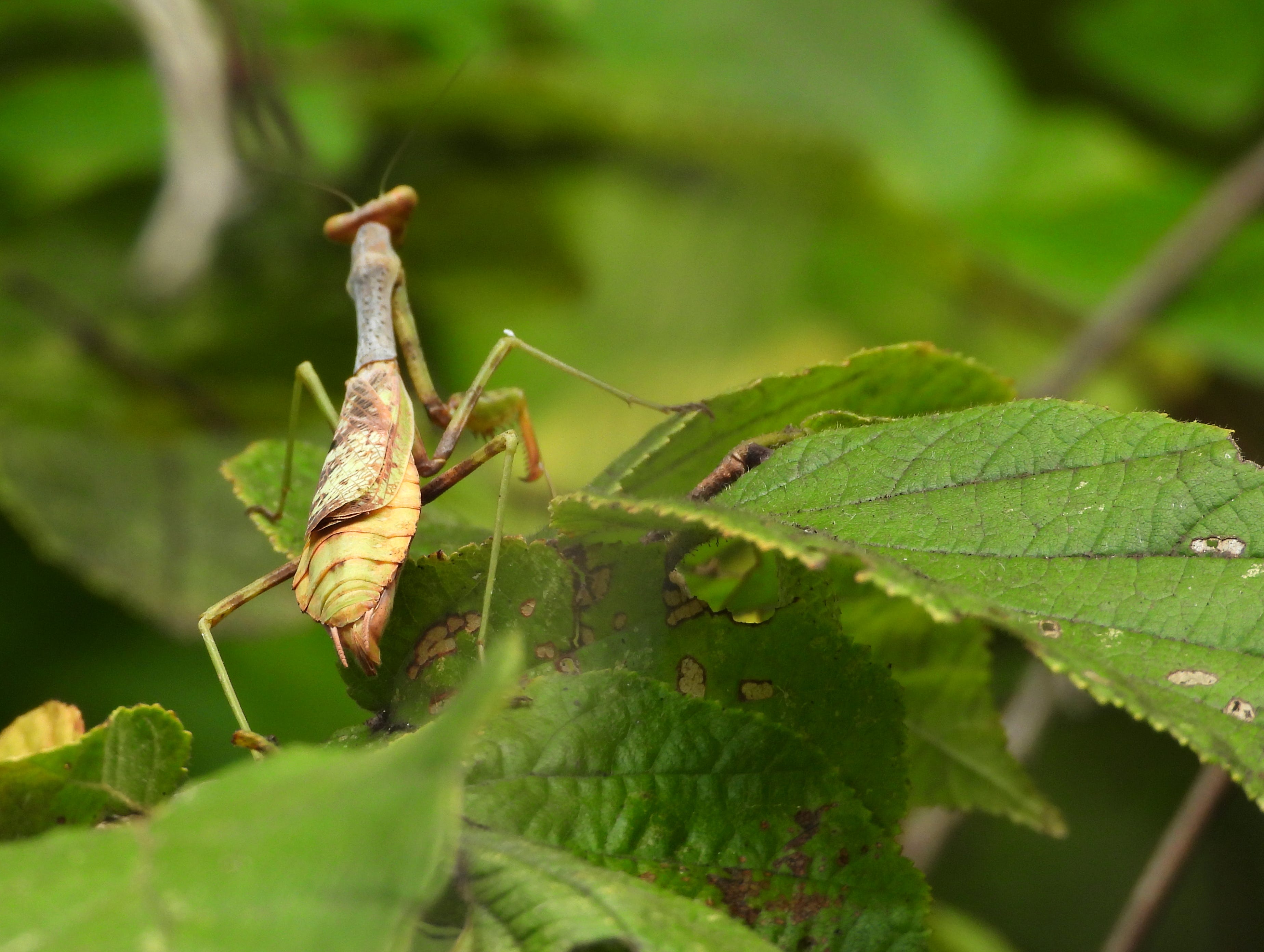
You’ll notice I said “she” — the short wings are a dead giveaway that the mantis I found was female. And those same short wings mean female Carolina mantises can’t fly once they reach this stage of their lives.
So maybe she really did want to be taken ashore?
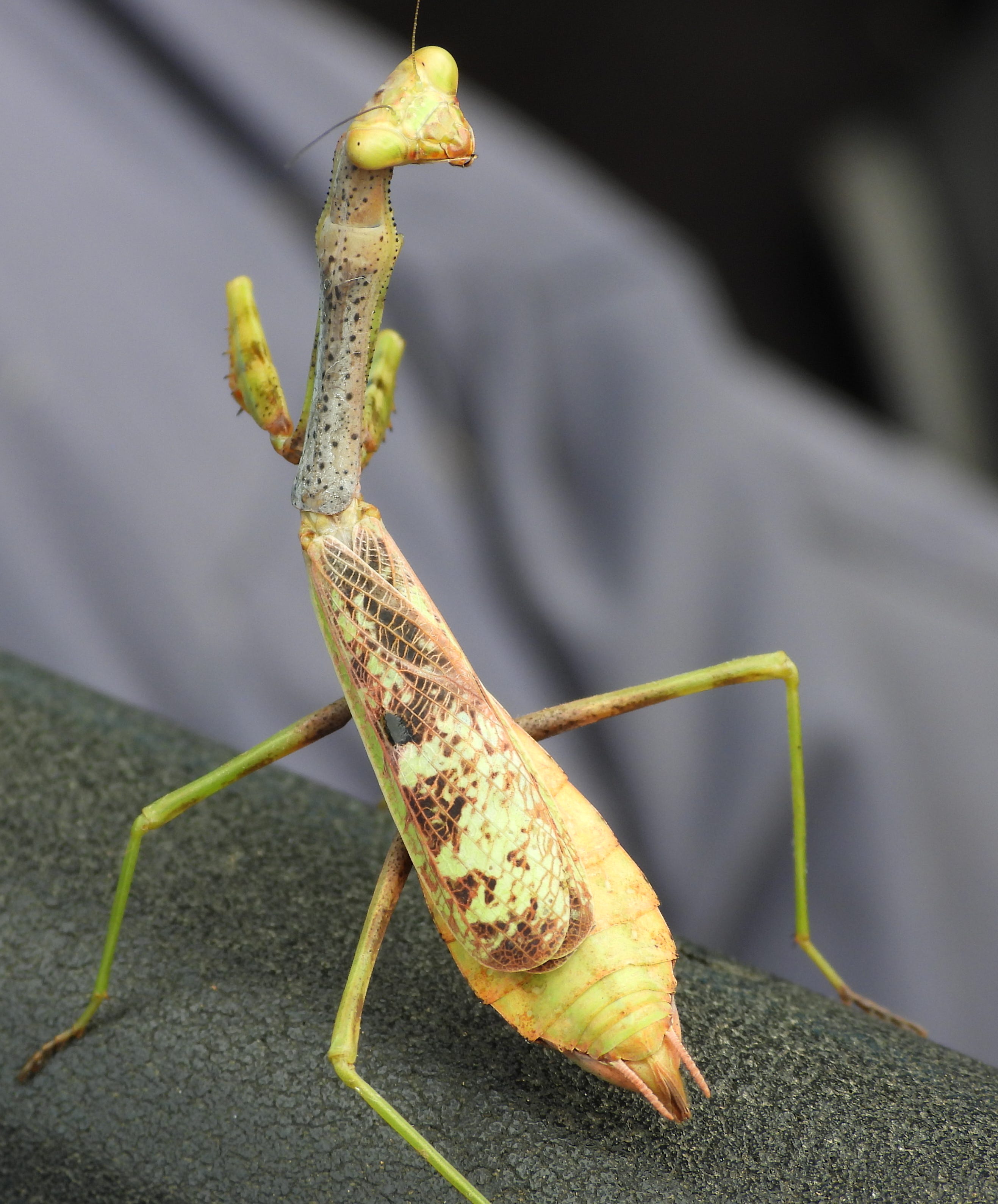
I’ve often wondered if I’d know a Carolina Mantis isn’t the more common, invasive Chinese Mantis when I finally stumbled across the native. While I’ve seen a few immatures that I wasn’t able to distinguish, the moment I saw this adult I was positive she was something new.
In addition to the short wings on the female, one feature to look for in both sexes of the Carolina Mantis is the dark spot in the middle of those wings. The species also tends to be smaller than the Chinese Mantis, although my female’s presence was strong enough that I didn’t really notice that in the field.
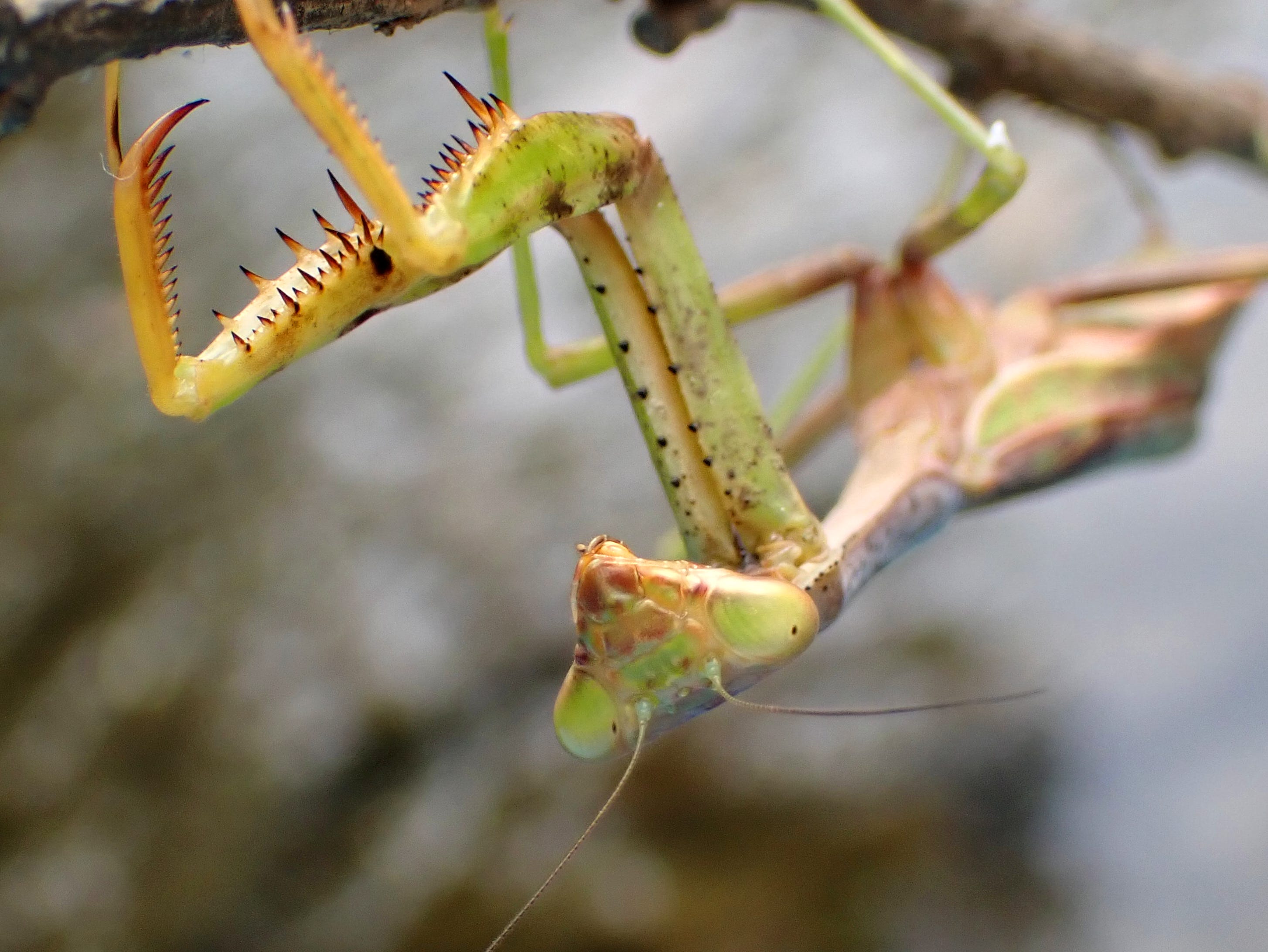
One thing I got wrong: the beautiful patterning on this mantis isn’t quite as diagnostic as I’d at first assumed. Instead, mantises match the coloration of their surroundings each time they molt. Clearly this one molted atop a twig.
The fourteen minutes I spent with that female felt like a once-in-a-lifetime experience…then the next day I saw two more Carolina Mantises (including a male who seemed to be stealing from a spiderweb). Turns out this is breeding season and mantids are particularly visible right now — go out and look!
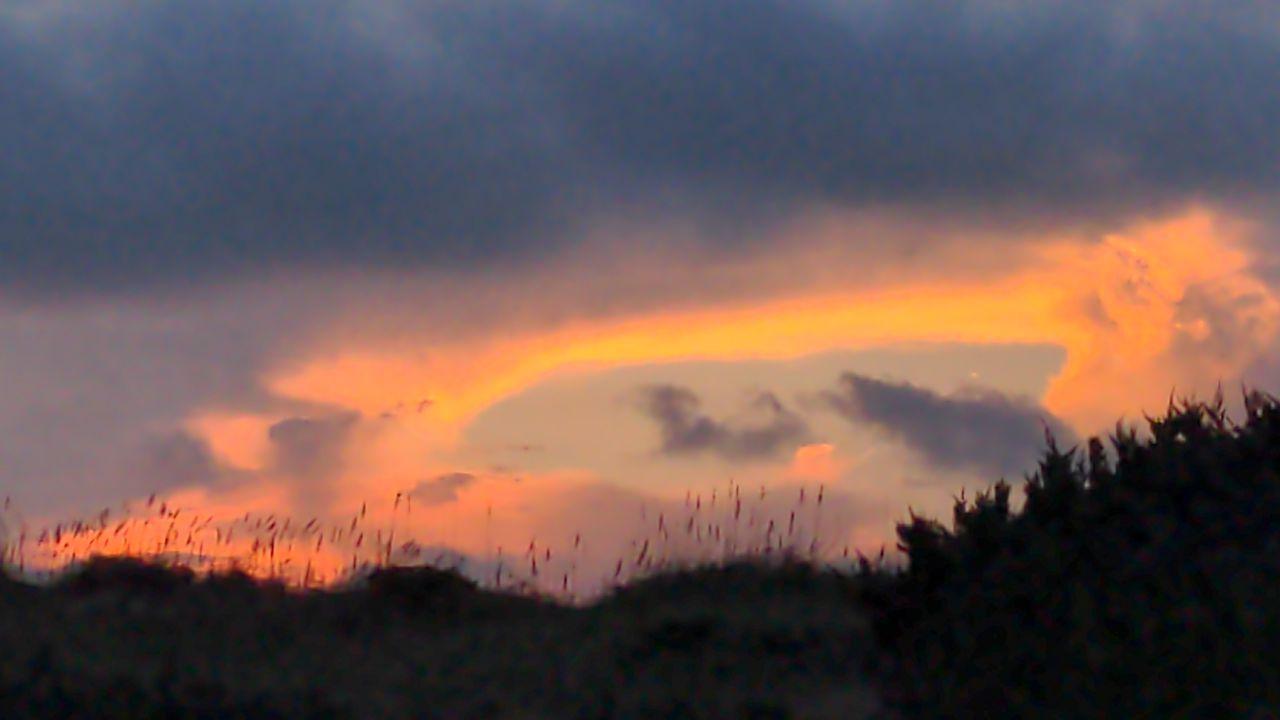
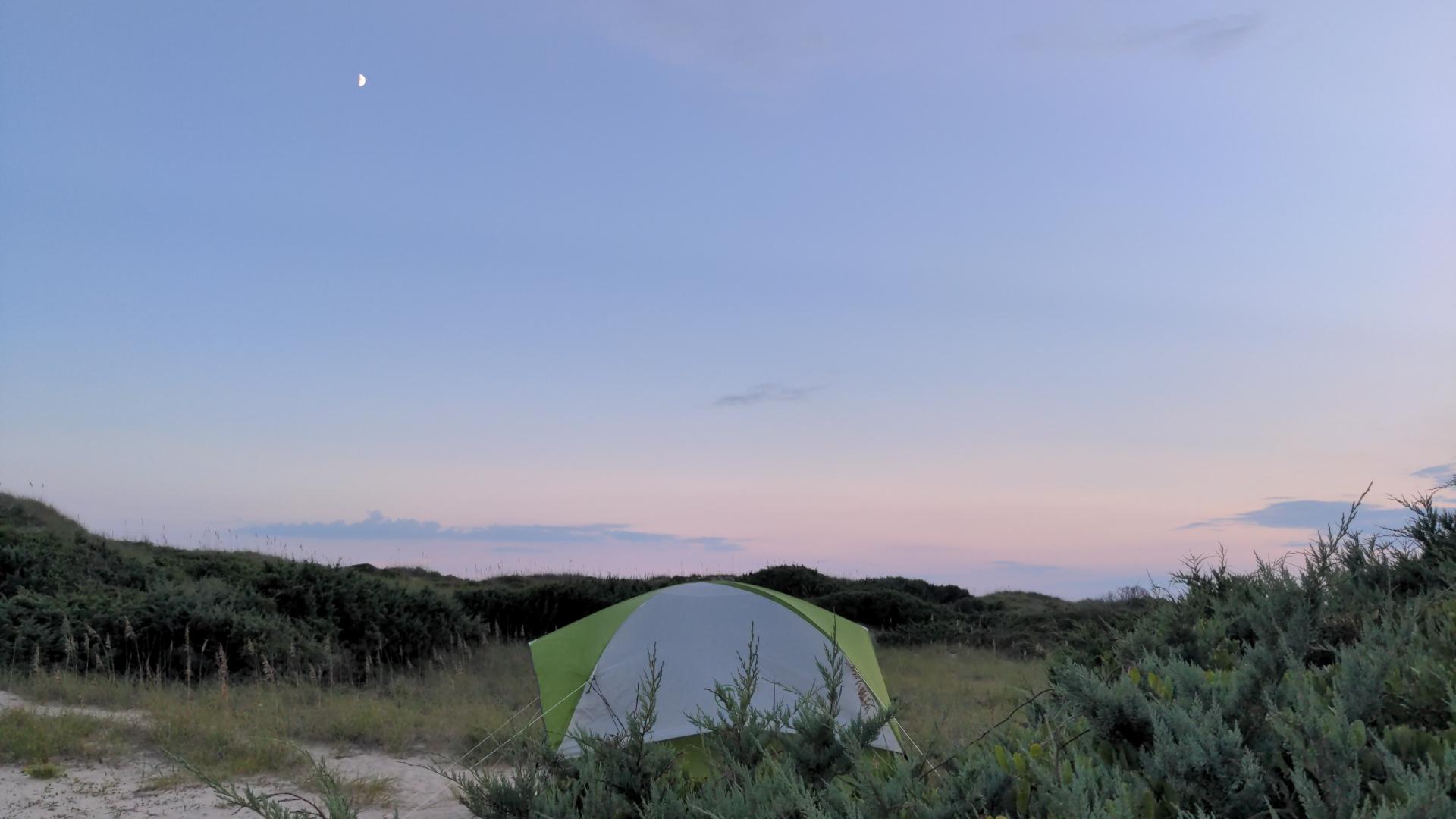
Driving 10 hours to the beach. Then a ferry. Then putting up a tent hopefully not in the dark.
Interesting to see what people are getting up to with vibe coding and then reverting that in the next release without any indication of what bug it introduced.
In other news, replaced a git-annex dependency and sped it up by about 400%
List of feeds:
- Anna and Mark: Waldeneffect: last checked (4610 posts)
- Anna and Mark: Wetknee: last checked (46 posts)
- Anna: A Curious Naturalist: last checked (33 posts)
- Joey: last checked (236 posts)
- Joey devblog: last checked (271 posts)
- Joey short: last checked (1815 posts)
- Jay: last checked (50 posts)
- Errol: last checked (53 posts)
- Maggie: last checked (60 posts)
- Tomoko: last checked (77 posts)
- Jerry: last checked (28 posts)
- Dani: last checked (30 posts)